The Science Behind Joy Meadows: How Nature and Rhythm Help Kids Heal
Nature and Rhythm Are Pathways to Healing
This is why we do what we do at Joy Meadows. We create spaces where nature and rhythm aren't just activities. For foster and adoptive children healing from trauma, they are pathways back to connection, calm, and joy.
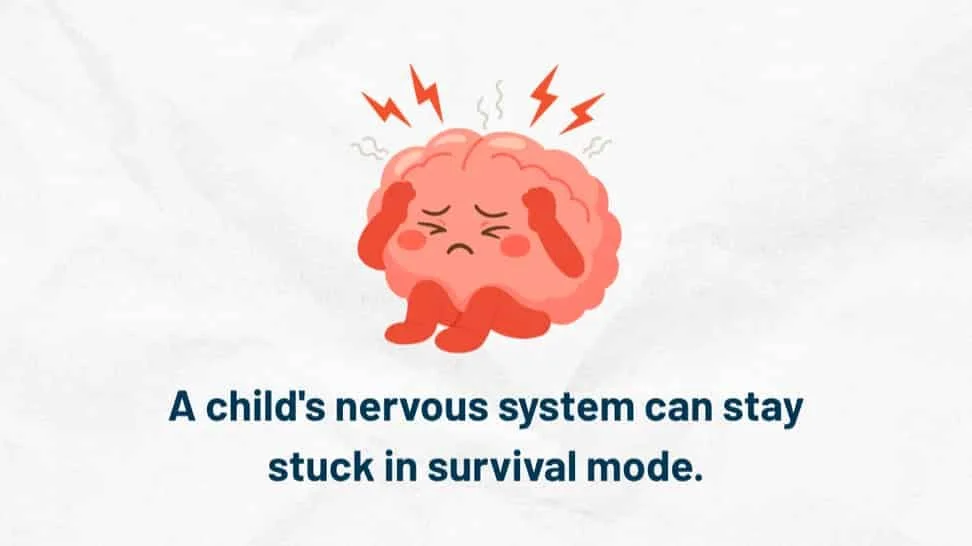
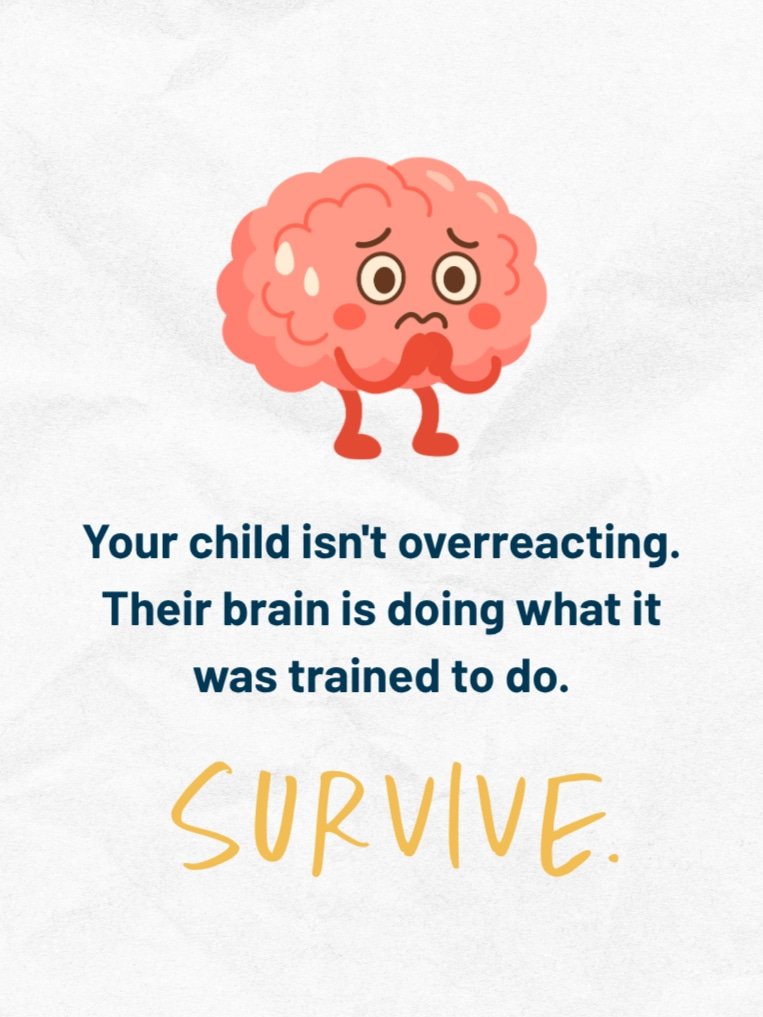
If you spend any time around children who have experienced trauma, you quickly begin to understand just how deeply their bodies carry the stress of what they’ve lived through. A simple sound, a sudden change, or even an unconscious reminder of a past experience can send their nervous system into high alert. What looks like “overreacting” from the outside is actually their brain doing exactly what it was trained to do; to survive.
Their internal alarm system, which is the fight/flight/freeze response in the brain, fires without warning. Once that happens, stress chemicals surge, cutting off access to the parts of the brain responsible for reasoning, emotional connection, and problem-solving. In those moments, a child isn’t being difficult. They’re operating from their most primitive survival center. Sadly, most children who have experienced the trauma of foster care remain in that state.
But here is good news: research tells us there is a powerful way to help children return to a calmer, more connected state. This is why nature and rhythm matter so much for children who have experienced trauma.
Why Rhythm Matters
Dr. Bruce Perry puts it simply: “Rhythm is regulating.” And it’s true; rhythm is one of the fastest ways to help the brain shift out of survival mode and back toward connection, safety, and learning. Patterned, repetitive movements like walking, rocking, running, dancing, swinging, or drumming, send predictable sensory input to the nervous system, which helps stabilize heart rate, slow breathing, and lower blood pressure.
In other words, rhythm gives the brain a way to reset.
It makes sense when you think about it. Every culture across history has used rhythm for comfort and healing: singing, swaying, chanting, working in the fields, or walking long distances. Our bodies naturally settle when we experience steady, predictable movement.
Nature’s Built-In Rhythm
There’s another source of regulation that pairs beautifully with rhythm: nature.
The sound of wind in the trees. The crunch of gravel under your feet. The steady, quiet hum of a field of grass. Even silence itself carries a calming cadence when you’re outdoors. Research shows that natural environments help regulate the nervous system, not just because of what we hear and see, but because of how our bodies physically respond to being in nature’s rhythm.
For children who have lived through trauma, these natural patterns can be deeply grounding. They don’t have to talk. They don’t have to “fix” anything. They simply step into an environment that meets their body where it is and invites it into calm.
And yet, accessing nature in meaningful ways is often not available to children who need it the most.
At Joy Meadows, we intentionally weave nature and rhythm into every aspect of our on-site activities. Whether a child is walking a trail, digging in the garden, playing outdoors, or participating in a rhythm-based activity like riding a horse, they are engaging in experiences that help their brains move out of survival and into connection. And caregivers get to benefit from these same rhythms too. Parents can come sit in the garden, walk on a trail, spend time outdoors and connect with others.
Research confirms what children instinctively know: play, time outdoors, and connection with animals are essential to healing. As adults, it is our responsibility to ensure children have access to the restorative environment God designed for their healing.
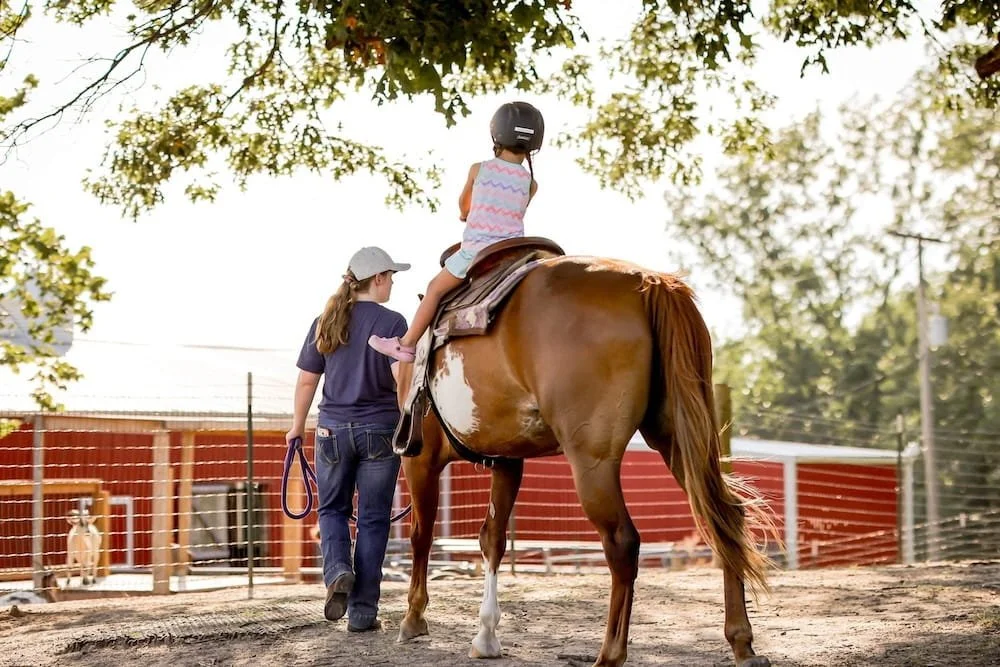
At Joy Meadows, we provide many opportunities for children to experience these moments. These are provided for free or minimal cost to reduce barriers to healing.
As a foster or adoptive parent, nature and rhythm is a practical tool that is easy and accessible. It can become a critical part of connection, joy and healing for your child and your home. Here are a few tips to recap:
Ways to Use Nature at Home
Go outside first when emotions are big (a walk, the backyard)
Grounding prompts to redirect: “Find 3 things you can see, 2 you can hear, 1 you can touch”
Heavy work calms: digging, raking, watering plants, pushing/pulling things in the yard
Morning sunlight: (5–10 minutes) first thing, sets your day up to support mood and sleep
Create a safe nature spot: make it normal, predictable (hammock, porch chair, blanket under a tree)
Ways to Use Rhythm at Home
Make predictable daily rhythms: wake‑up, meals, bedtime
Rhythm in motion: Prioritize rocking, swinging, walking, bouncing—especially together
Use music for regulation:
Slow, steady music to calm
Drumming, clapping, or stomping to release energy
Bedtime routine music
Breathing with rhythm: exercises for breaths like counting, to music, or feeling a pattern
Use rhythm before words—talk comes later once the body and mind are calm
Tips for a Trauma-Informed Mindset
Connection before correction: Sit, walk, or rock with the child outside or to music.
Follow the child’s lead: Invite, don’t force. Regulation happens through safety, not compliance.
Short and frequent is better than long and perfect: 2 minutes of rhythm or nature, many times a day, works better than one big effort. So give yourself a break! You aren’t becoming a homesteader - you are just taking a few minutes for a nature reset.
Model regulation: Your calm body is the most powerful tool. Show your child that you need rhythm and nature too. Show them how to appreciate all that God made to help your mind and body calm.
At Joy Meadows, nature and rhythm are built into everything we do — from animal sessions and horse riding to outdoor camps and Second Saturday. These experiences are free or low-cost for foster and adoptive families.
See what's available for your family →