Why Nature-Based Therapy Works for Children in Foster Care
Children who have experienced trauma, loss, and instability often struggle to heal in traditional settings alone. At Joy Meadows, our 26-acre campus in Linwood, Kansas — just 30 minutes from Kansas City — is built around a core belief: nature heals.
Nature-based therapy for children in foster care is woven into everything we do, from individual animal sessions and garden activities to outdoor adventure camps and family events. When children are given the chance to discover their strengths in a nature-based environment, their self-esteem, emotional regulation, and connections with others improve in measurable ways.
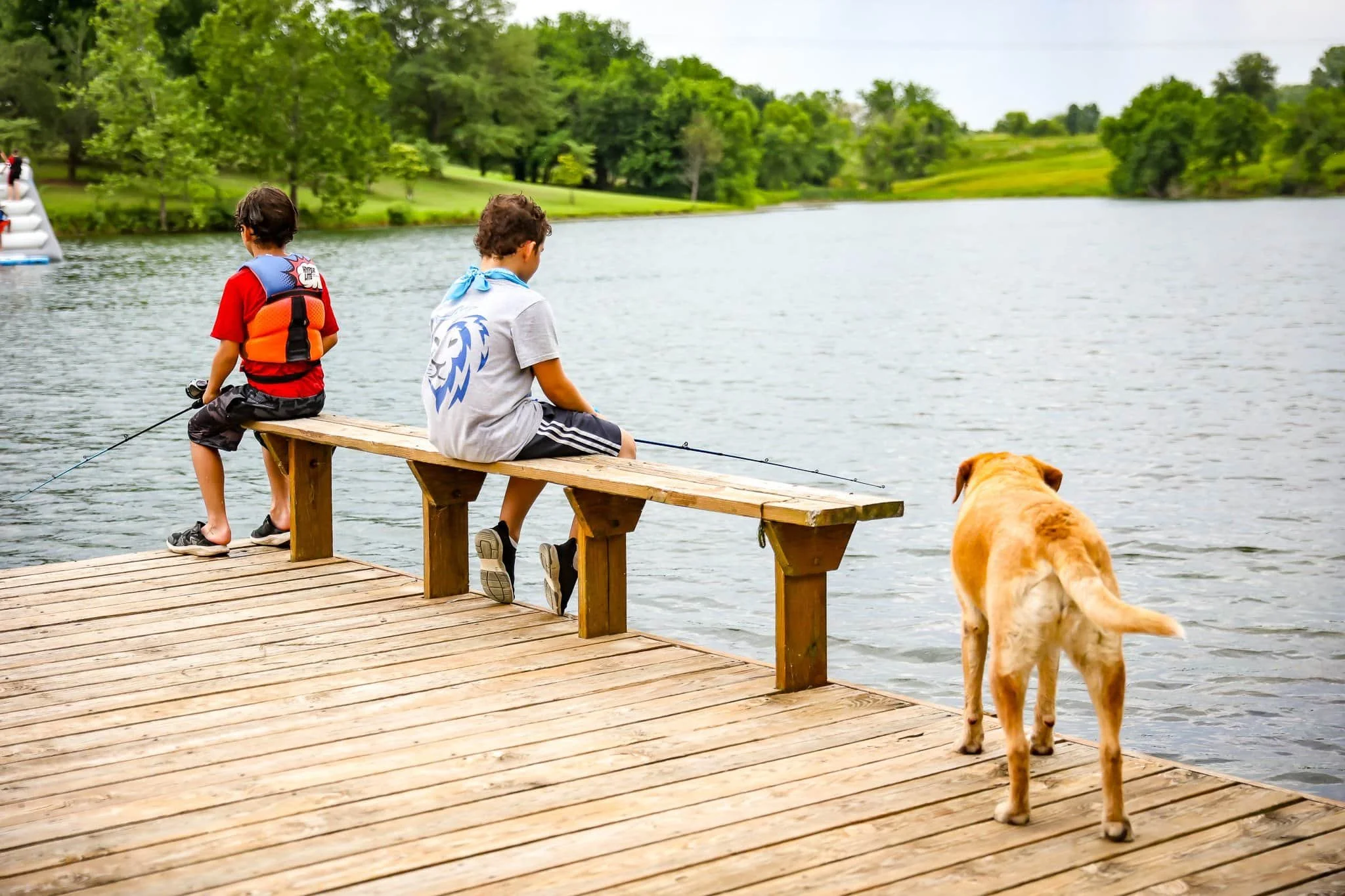
Child in foster care participating in animal-assisted therapy at Joy Meadows in Linwood, Kansas near Kansas City
Why Nature-Based Therapy Works
Children in the foster care system have faced adverse childhood experiences — trauma, poverty, separation, abuse, neglect, and loss — that disrupt healthy development. Many have also missed out on ordinary childhood experiences like extracurricular activities and time in nature that research shows can buffer the effects of those experiences.
Nature-based therapy works because it meets children where they are. It doesn't require verbal processing or emotional readiness. It simply invites participation — and participation leads to healing.
Research consistently shows that nature-based experiences for children in foster care:
Improve emotional regulation and self-esteem
Reduce symptoms of anxiety, depression, and trauma
Build trust, empathy, and responsibility
Restore the sense of wonder and joy that trauma often takes away
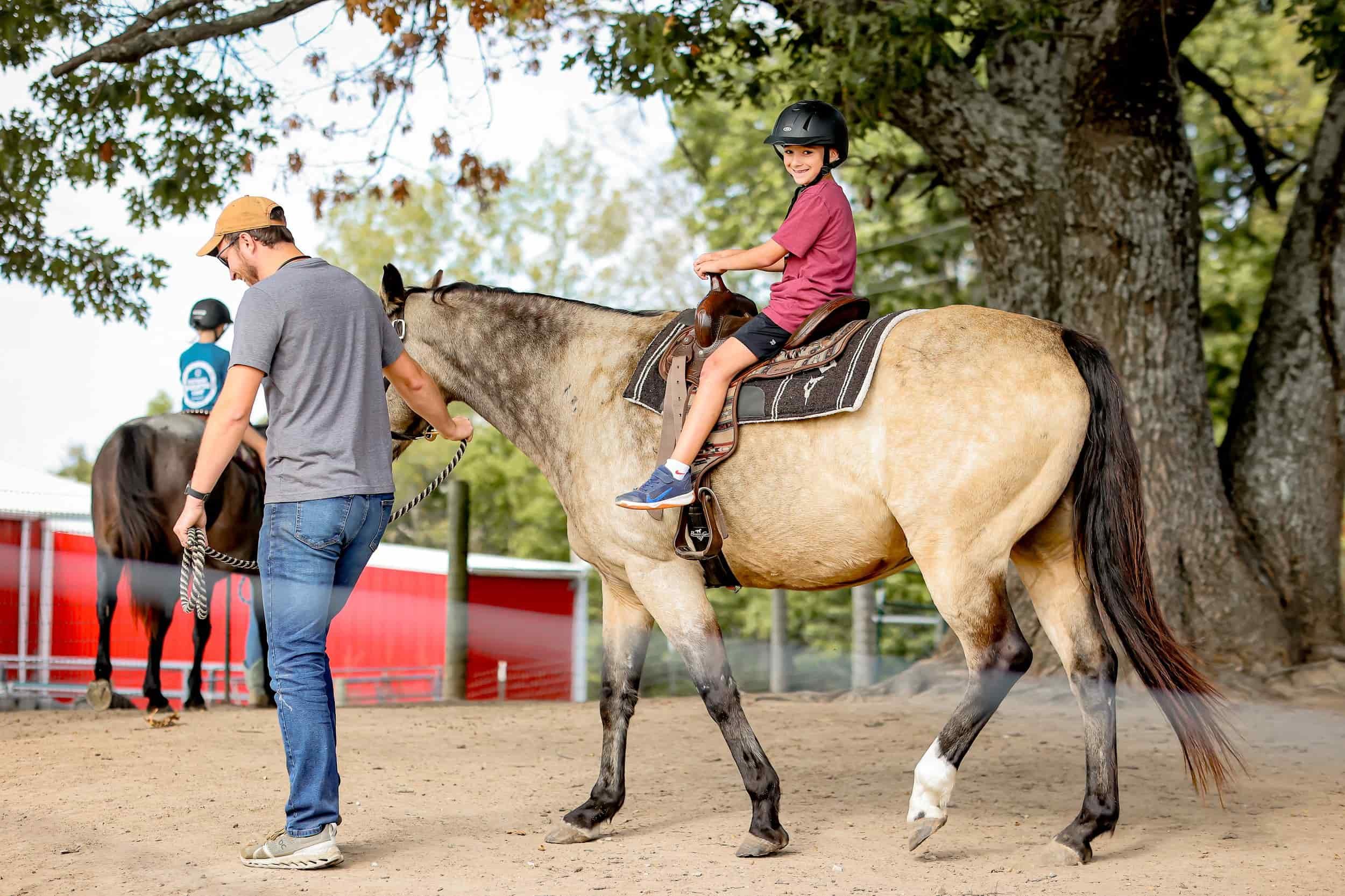
Children in foster care participating in outdoor adventure activities at Joy Meadows Second Saturday near Kansas City
Animal Interactions at Joy Meadows
One of the most powerful tools in nature-based therapy for foster children is animal interaction. Children often connect with animals in ways they cannot yet connect with people — animals are safe, non-judgmental, and responsive. That connection teaches emotional regulation, empathy, and trust.
At Joy Meadows, we use the Animal-Assisted Activities (AAA) model, making animal interactions accessible to children in a low-barrier, welcoming setting.
What's the difference between AAT and AAA?
Animal-Assisted Therapy (AAT) is a structured, goal-directed clinical intervention delivered by a licensed professional — a therapist, occupational therapist, or speech pathologist — as part of a formal treatment plan.
Animal-Assisted Activities (AAA) provide motivational, recreational, and therapeutic benefits without session-specific clinical goals. Activities are delivered by trained volunteers and professionals in a more flexible setting. The benefits — emotional regulation, calm, and connection — are the same.
Joy Meadows currently implements AAA with our animal interactions.
Learn about Joy Meadows Equine Sessions for children in foster care.
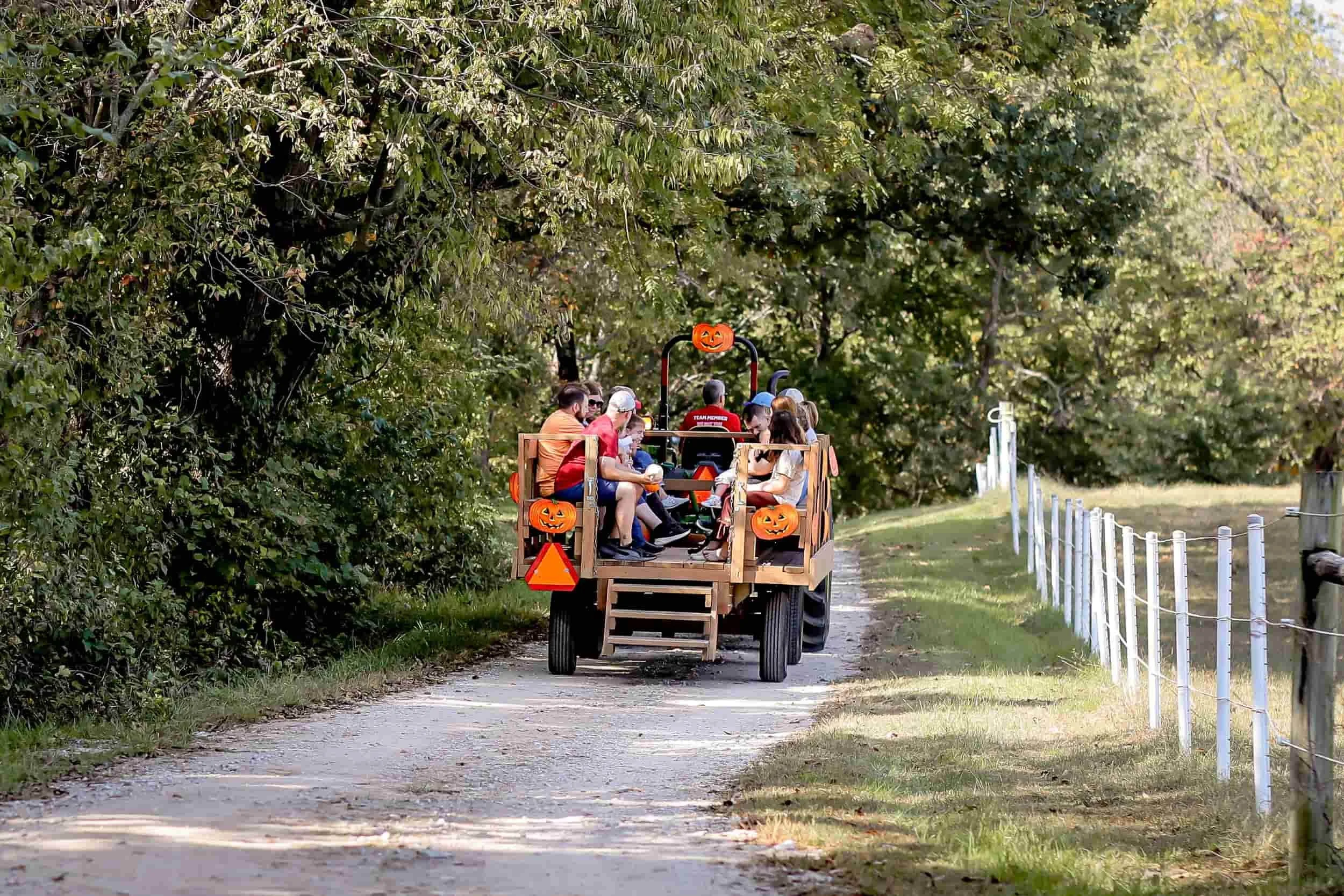
Horticulture Activities
The horticulture therapeutic benefits for people with physical, emotional, mental, and social challenges are numerous and greatly benefit children in foster care who have experienced trauma.
Garden therapy stimulates the senses, helps release stress, alleviates depression, improves creativity, promotes pleasant emotions, improves motor skills and reduces negativity. The benefits of therapeutic horticulture can be found in social horticulture activities with children, where clinically defined therapeutic goals are not required, but access to nature-based activities are presented to children so they can experience the benefits and well-being just by active involvement with horticulture. At Joy Meadows, this takes place using the therapeutic benefits of horticulture in a less formal delivery as children and parents walk through the garden; or in summer day camps as part of the program, at large events where families can pick from the garden and orchard, or in an individual session where they are guided one-on-one with a horticulture activity.
What is social horticulture?
Social horticulture, sometimes referred to as community horticulture, is a leisure or recreational activity related to plants and gardening. (AHTA defined). No specific treatment goals are defined, nor is a therapist present. The focus is on social interaction and horticulture activities.
The therapeutic aspects of plants and plant-related activities are implemented in a more leisurely setting for interactions with the garden and orchard, but the benefits are the same in repetitive motions, regulating activities, a sense of achievement, calm, and enjoyment. The relational aspect is a focus, using horticulture activities as a means of connection.
Learn about Joy Meadows Garden/Horticulture Sessions for children in foster care.
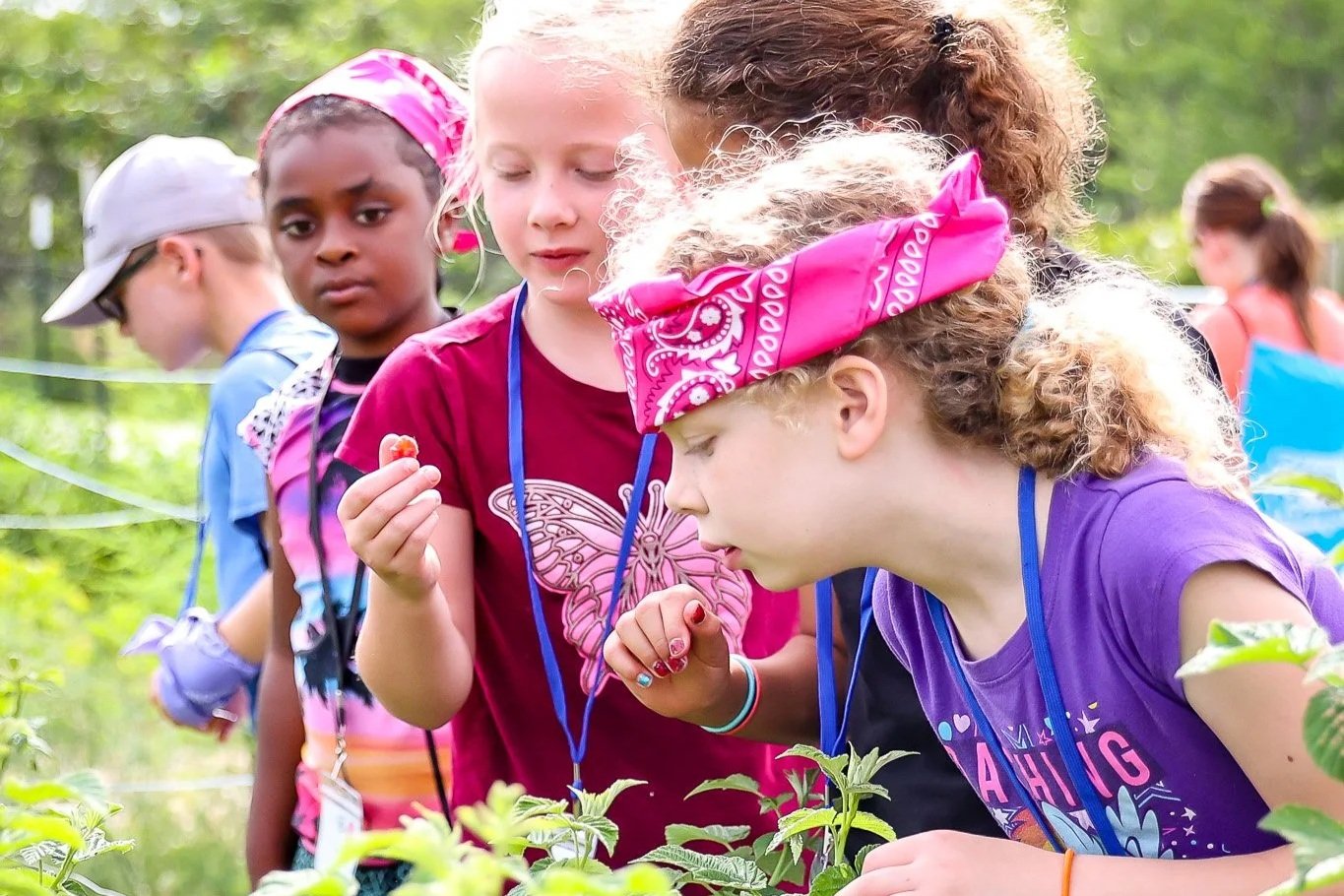
Outdoor and Extracurricular Activities
Despite the proven benefits of extracurricular activities for youth development, children in foster care face significant barriers to participation: registration fees, transportation challenges, frequent moves, and behavioral needs that many programs aren't equipped to support.
Joy Meadows removes those barriers entirely. On our 26-acre campus near Kansas City, foster and adoptive children participate in outdoor adventure camps, art and cooking classes, nature trail walks, equine sessions, and special events — all in a trauma-informed environment designed with their needs in mind.
Extracurricular nature activities at Joy Meadows provide:
Social, emotional, and spiritual enrichment
Safe peer connections with other children who understand their experience
Physical activity and outdoor exploration
Access to the kind of childhood experiences that build resilience
Learn about Joy Meadows Camps and activities for children in foster care.
Frequently Asked Questions:
What is nature-based therapy for children in foster care?
Nature-based therapy uses intentional interactions with animals, plants, and outdoor environments to support healing in children who have experienced trauma. For children in foster care — who often face adverse experiences including abuse, neglect, and separation — nature-based activities rebuild self-esteem, emotional regulation, and trust in ways that traditional settings sometimes cannot.
What is the difference between Animal-Assisted Therapy (AAT) and Animal-Assisted Activities (AAA)?
Animal-Assisted Therapy (AAT) is a structured, goal-directed intervention delivered by a licensed health professional as part of a formal treatment plan. Animal-Assisted Activities (AAA) are less formal — providing motivational, educational, and therapeutic benefits without specific clinical goals per visit. Joy Meadows uses the AAA model, making animal interactions accessible to more children in a welcoming, low-barrier environment.
How does nature help children heal from trauma?
Research shows that nature-based experiences reduce stress hormones, improve emotional regulation, and support healthy development. For children who have experienced adverse childhood experiences, interacting with animals, gardening, and participating in outdoor activities can restore a sense of calm, competence, and connection — experiences that are often disrupted by trauma and instability.
What nature-based programs does Joy Meadows offer?
Joy Meadows offers equine sessions, outdoor summer camps, art classes, nature trails, and family events — all on a 26-acre campus in Linwood, Kansas near Kansas City. Programs are designed for foster and adoptive children and are trauma-informed throughout.