5 Ways to Help Foster Children Without Being a Foster Parent
Sometimes the hardest part of caring about foster care is not knowing what to do with that care.
It's easy to fall into one of two traps: ignore the problem because it feels too big, or put foster parents on a pedestal and quietly think, "I could never do that" — then do nothing. Both responses feel understandable. Both result in inaction. And both leave children without the support they desperately need.
Here's what Sarah Oberndorfer, Co-founder and COO of Joy Meadows, wants you to know: being a foster parent is not the only way to make a difference. There are real, practical, immediate things you can do — starting today — to transform the foster care experience for children in Kansas City and beyond.
Volunteer — You Have a Gift to Share
Foster parents are tired. They are doing one of the most demanding jobs imaginable, around the clock, often without enough support. They need people who aren't in the 24/7 game to step in and take a turn.
The good news: you don't need special training or experience to get started. If you can smile, sort clothes, drive a car, read a book, mentor a child, deliver a meal, babysit, do yard work, or simply show up — you are needed.
For those who want a more specialized role, consider:
CASA (Court Appointed Special Advocate) — CASAs are trained volunteers appointed to get to know a child in foster care and advocate directly for their needs — among parents, attorneys, judges, caseworkers, therapists, teachers, and foster parents. The majority of children in foster care are never assigned a CASA simply because there aren't enough volunteers.
Educational Advocate — Trained Educational Advocates help foster children get the representation they need for IEPs and educational services, partnering with schools and foster families to navigate the system.
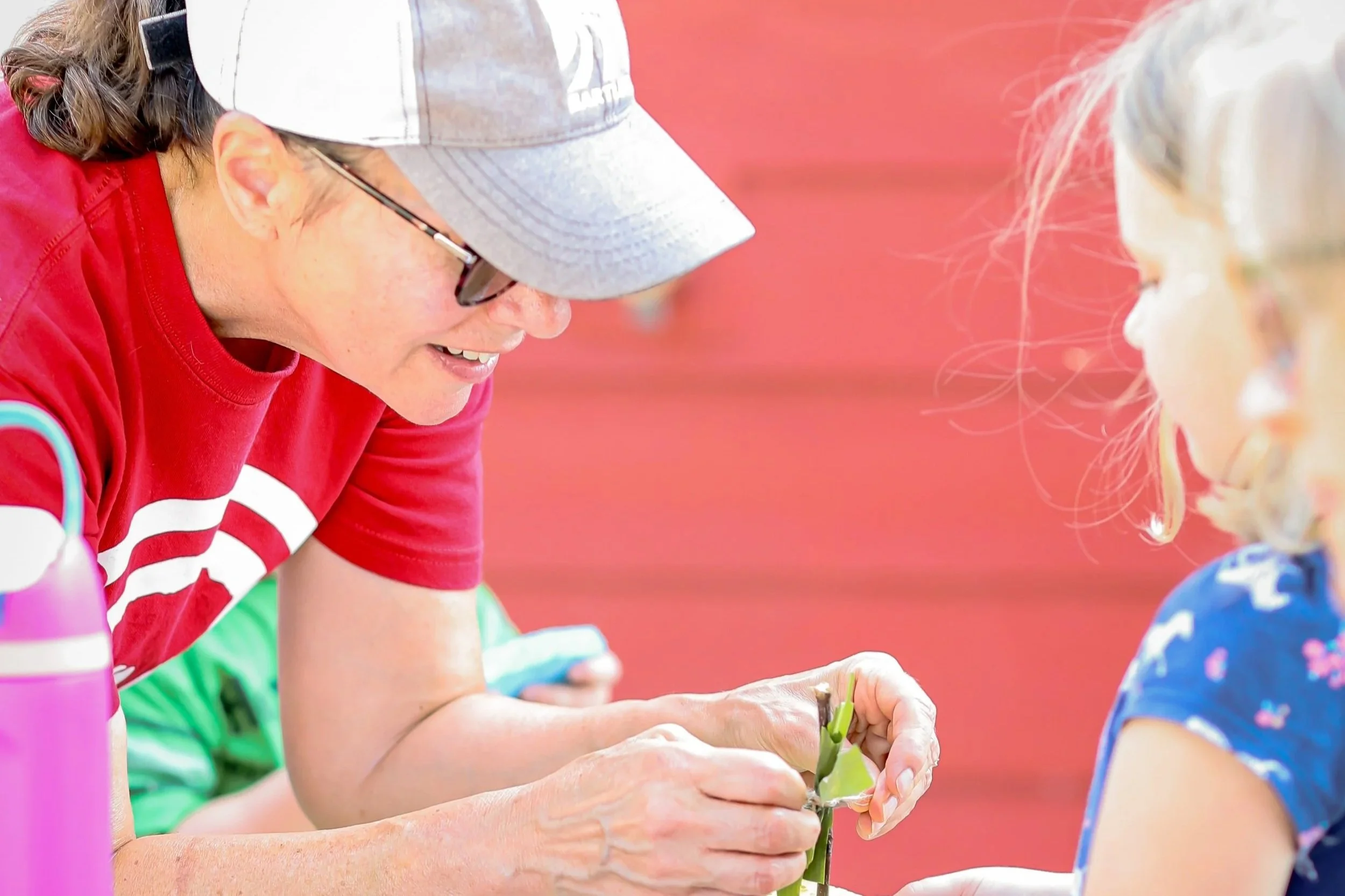
2. Encourage — A High-Five Goes Further Than You Think
Children in foster care often feel invisible. Every adult around them seems to be directing the steps of their life — case workers, attorneys, judges, therapists — without simply seeing them as a child. A person.
If you meet a foster child, remember: they are a child first. Not a "foster." Learn their name. Give them a fist bump or a high five. Let your face and body language communicate that they matter. Listen without demanding their life story. Just be present.
Foster parents need the same. Every decision they make feels scrutinized — by the public, by educators, by biological families, by the legal system. The last thing they need is unsolicited parenting advice or the question, "Are you going to adopt them?"
What they do need: a smile. A nod. A genuine word of encouragement that says, "I see you, and I think what you're doing matters." That's it. That's enough.
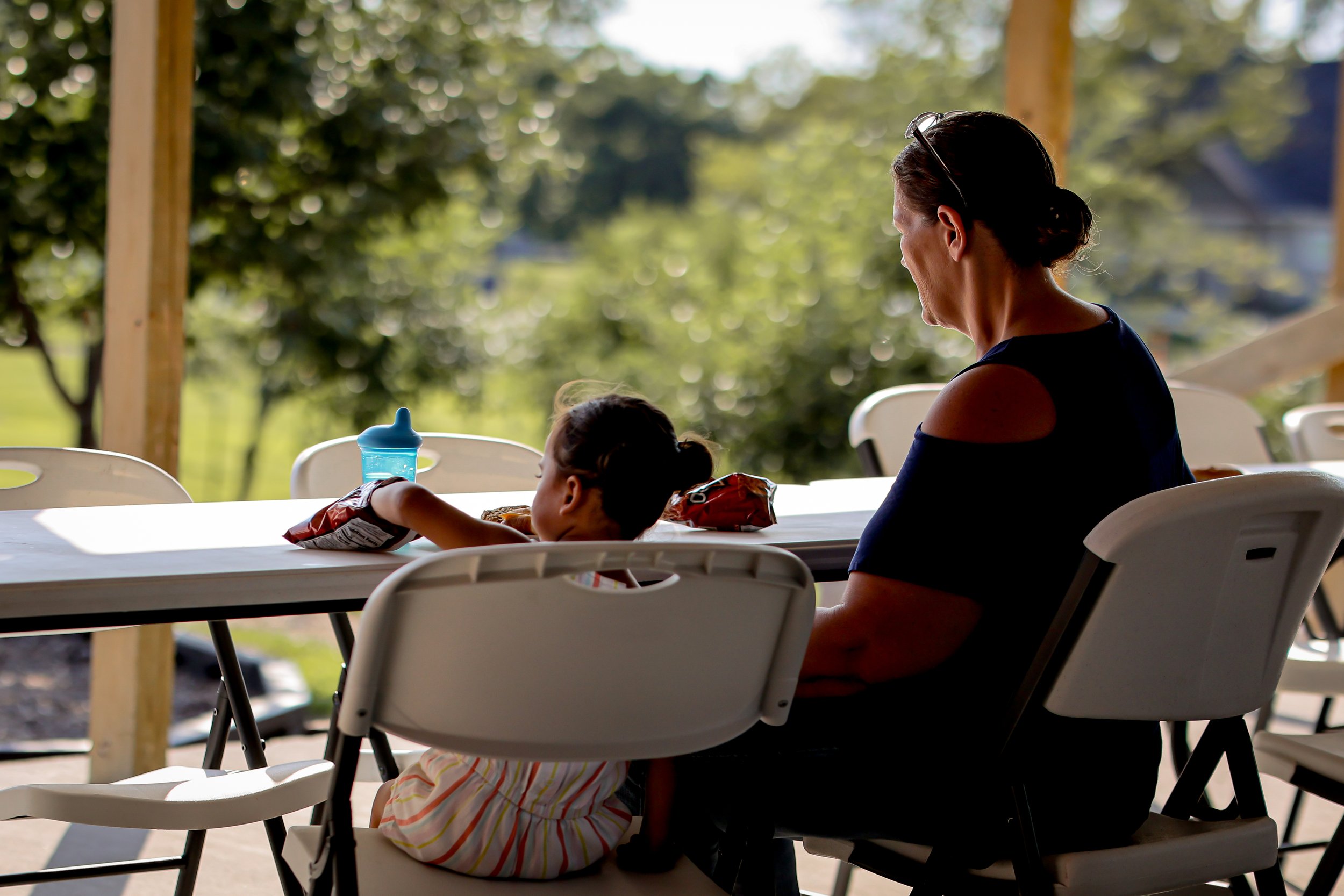
3. Pray — This Is the Heavy Lifting
Prayer is not a social media comment. It isn't something we say to ease our conscience and move on. For children in foster care, prayer is real, active, necessary work.
When you hear a news story about a tragedy in foster care — pray. When you meet a foster family that's barely holding on — pray. When you interact with a foster child — pray. When the statistics feel incomprehensible — pray.
There are nearly 400,000 children in foster care in the United States right now. What if every single one of them had someone praying for them by name? What if we actually believed that God can do "exceedingly more than we ask or imagine"? (Ephesians 3:20)
There is hope for children in foster care. There is hope for healing from the generational trauma that each child carries. That hope is not passive.
Join the Joy Meadows Prayer Team →
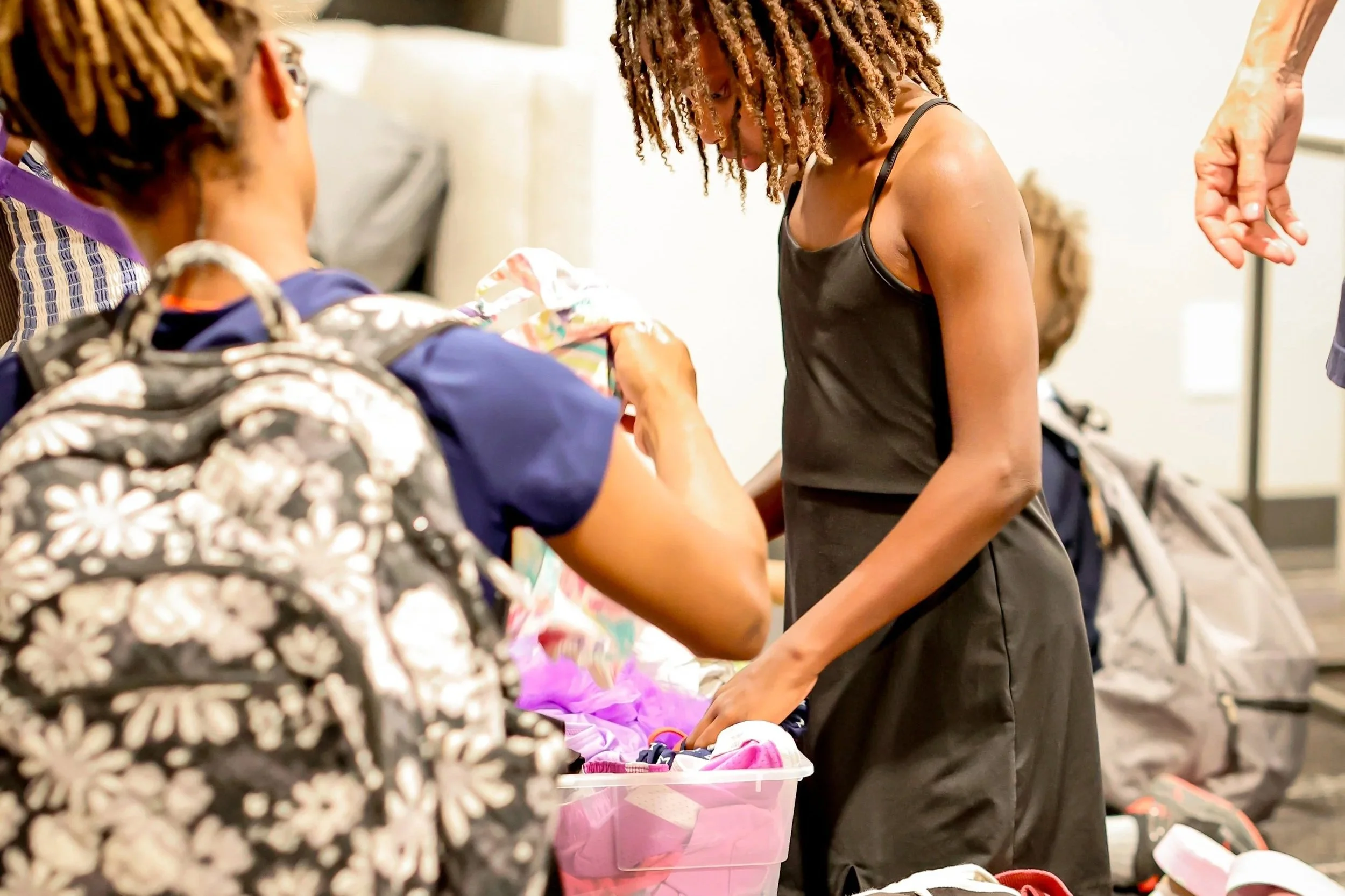
4. Donate — Turn Empathy Into Action
There's a difference between giving to ease guilt and giving to make a difference.
We all feel it — that pang when we hear what a child in foster care has been through. Removed from everything familiar. Placed in uncertainty. Moved again and again. It's heartbreaking. The question is what we do with that feeling.
Nonprofits serving foster children are often drawing from the same small pool of donors. The needs are enormous; the resources are not. But that isn't inevitable. When more people give — even a little — the impact multiplies.
Find an organization making a real difference and give. See who's in the work and support them. Joy Meadows operates entirely on private donations — no state or federal funding — which means every gift goes directly to supporting foster families in the Kansas City area.
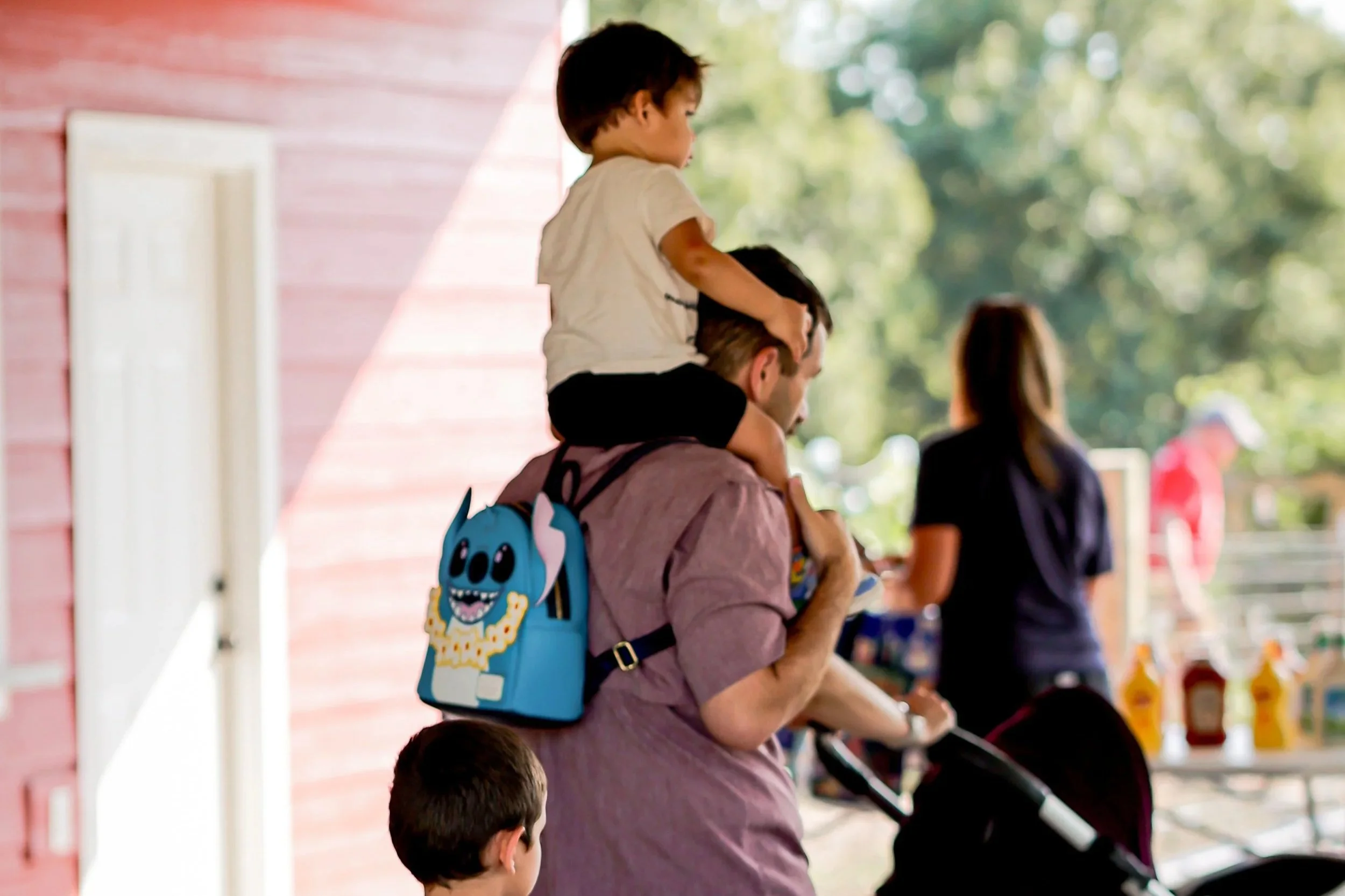
5. Support a Foster Family Through a Care Community
Across the country, 50% of foster parents quit within their first year. In Kansas, the average is just 10 months. Every time a foster parent burns out, a child moves — not because of anything they did, but because the adults around them ran out of support.
A child in foster care deserves every possible experience of stability, continuity, and connection. That can't happen when homes keep changing.
The Care Community model is changing that. A Care Community is a small team of 6–8 people — often from a local church — who wrap around a single foster family with consistent, practical support: a meal once a week, a ride to a therapy appointment, occasional childcare, respite care. Not one person doing everything. Many people each doing one thing.
The results speak for themselves: over 93% of families with a Care Community keep fostering after two years. That's not a small number. That's a child staying in a stable home. That's continuity of care. That's healing.
You don't have to do everything to transform foster care. You just have to play your part.
Learn About Care Communities at Joy Meadows →
Joy Meadows is a foster care community in Linwood, Kansas — just 30 minutes from Kansas City — that provides families with housing, community support, and resources so children impacted by foster care can find stability, healing, and joy.